Sigmai utilizes SIPM/PLM to digitize and manage experimental processes and workflows.
More
Company Profile
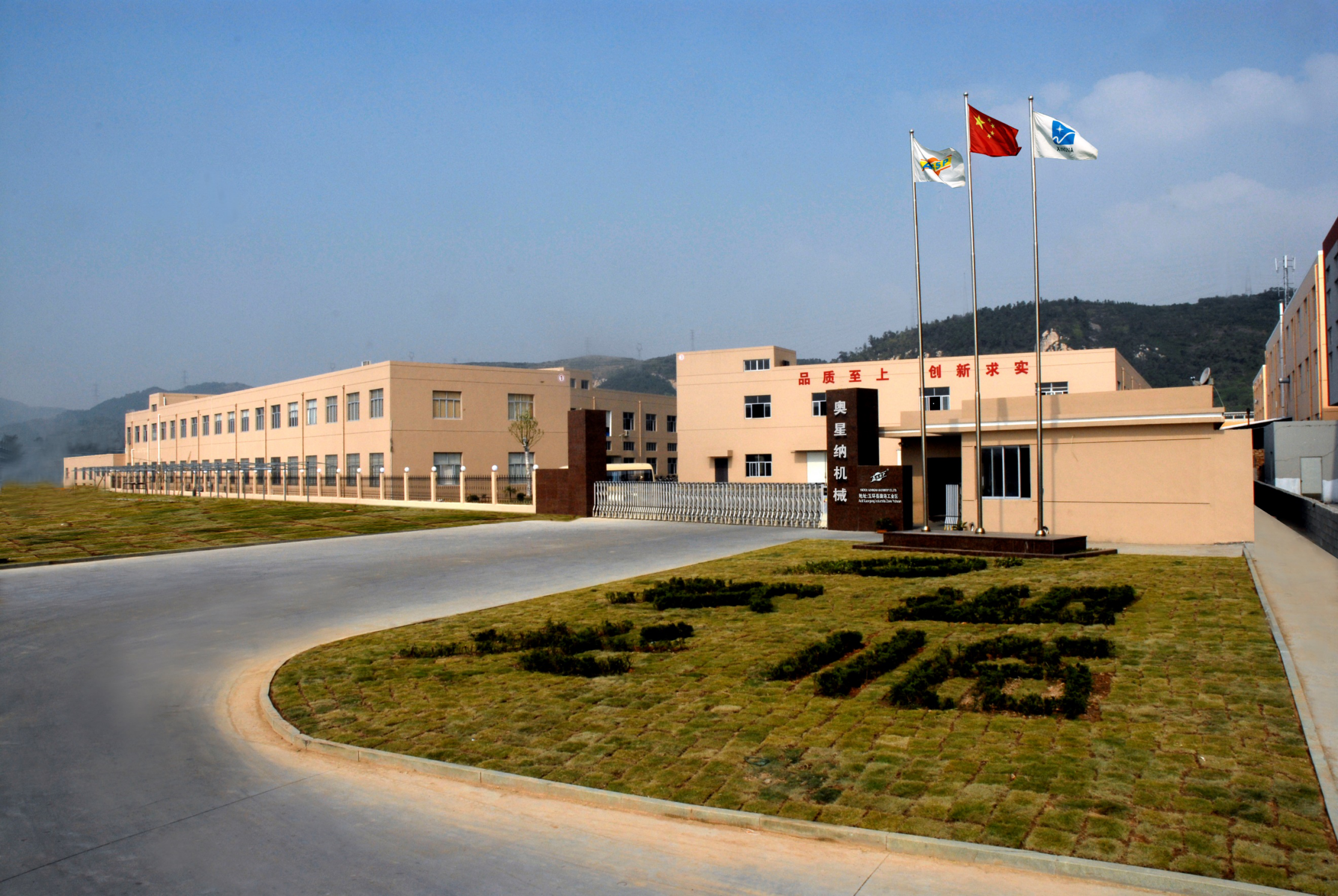
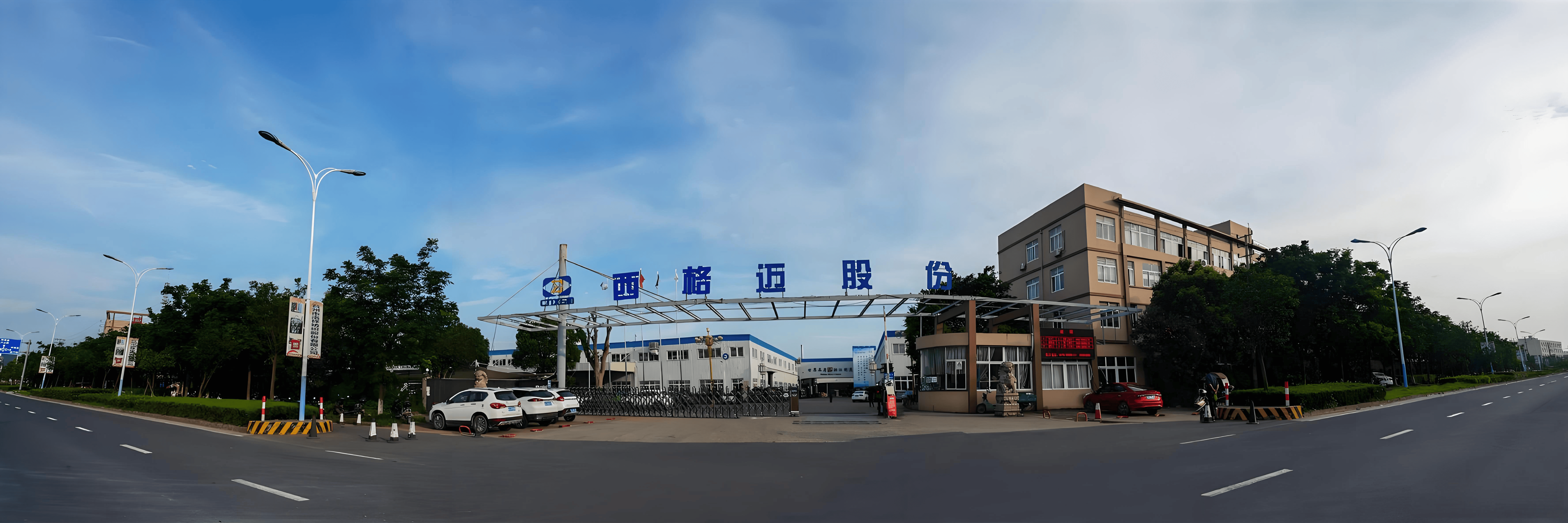
Hangzhou Tianming Technology Co., Ltd., established in 2000, is a professional off-road automotive equipment manufacturer with rights for self-operated import and export, and is recognized as a national high-tech enterprise supported by the Chinese government. The company currently operates modern production facilities covering an area of 25,000 square meters and employs over 200 staff members.Tianming specializes in the R&D and manufacturing of a wide range of products under its “T-MAX” brand, including multiple series of electric winches, industrial winches, electric running boards, high-strength synthetic ropes, and various off-road vehicle modification accessories.As of September 30, 2021, the company held 179 granted patents worldwide—146 domestic patents (including 23 invention patents, 75 utility model patents, and 48 design patents) and 33 international patents (including 32 invention patents)—making it one of the most patent-rich companies in the industry.
Since commencing mass production in 2001, Tianming’s product lines have been exported to more than 60 countries and regions worldwide. Today, Tianming has become a globally recognized supplier of off-road vehicle modification equipment and OEM front-end solutions, and is widely acknowledged in the industry as a leading international brand in winches, electric running boards, and off-road vehicle aftermarket products.
Project Objectives
Through the implementation of the SIPM/PLM project, the following objectives will be achieved:
Project Management: Establish a standardized and well-structured project management framework and institutionalize product development processes aligned with IPD (Integrated Product Development) and APQP (Advanced Product Quality Planning) methodologies. This ensures systematic management of product development projects and end-to-end control throughout the entire product development lifecycle.
Design and Process Management: Build an integrated product data management model centered around the Bill of Materials (BOM), enabling seamless integration between design and manufacturing process engineering. Implement structured process design management to enhance efficiency and standardization in process planning.
Coding Management: Establish a coding system tailored to Tianming’s business requirements, enabling unified coding for components, technical documents, and other design assets. This eliminates redundant data entry, ensuring uniqueness, accuracy, and completeness of technical data across the enterprise.
PDF Factory: Enable automatic digital signing during workflow execution. Upon approval, signatures are automatically embedded into PDF documents, progressively advancing toward paperless operations.
Change Management: Implement comprehensive control over engineering changes throughout the product lifecycle—from initiation through execution to closure—ensuring that all technical changes are managed in a controlled and standardized manner, and enabling full traceability of all technical data.
Knowledge Management: Leverage the PLM system’s knowledge management capabilities to capture and accumulate design experience, gradually building a scientific and robust knowledge repository. This transforms PLM into an enterprise-wide collaborative management platform.
System Integration: Achieve seamless integration of product data across upstream and downstream systems,打通 (breaking down silos) by connecting data flows from the design origin through to back-end business operations, thereby eliminating information silos.
1. System Management Model
Through on-site assessments and blueprint design, and by integrating Tianming Technology’s specific business requirements with SIPM’s extensive consulting expertise, the SIPM implementation team has developed a precise R&D management solution tailored for Tianming.
_1781144830953.png)
PLM System Business Panorama
2. Requirements Management
Establish a requirements management system based on customer and market requirements, Charter reviews, and product roadmaps to effectively control the project initiation process in R&D.
Requirements collected from various sources are systematically captured in the system. Corresponding review records are linked to Charter approvals, and phased product objectives are associated with defined roadmaps, enabling structured data management of product development requirements across the enterprise.
_1781149509163.png)
3. Project Management
Leverage project management capabilities to institutionalize the company’s R&D processes, ensuring controllability of product development schedules and deliverables.
By utilizing the robust project and workflow management functionalities of the SIPM/PLM system, Tianming’s R&D processes have been standardized and embedded within PLM. All deliverables are controlled through corresponding approval workflows, ensuring a well-governed development process and completeness of all outputs.
_1781150403391.png)
Project Template
_1781155261473.png)
Workflow Template
_1781155816124.png)
Latest Project Deliverables Template
_1781157188676.png)
Project Monitoring
_1781157995990.png)
Project Deliverables Data
4. Points-Based Performance Management
Reflect team members’ contributions through project-planning-based points, and generate a detailed points ledger for all project team members, providing a quantifiable basis for project incentive distribution.
_1781159817830.png)
Definition of Total Project Points
_1781160257201.png)
Definition of Task-Level Points
For significant achievements and contributions outside of R&D activities, incentive points may be manually assigned by the project manager.
_1781161774520.png)
Project Incentive Points
5. Product Design Management
Product Management
Achieve categorized and centralized management of products, providing a unified product data management platform for the R&D department. Establish configuration lists based on system products to clearly manage mechanical drawings involved in system products, creating an integrated association with product information, thereby enhancing query efficiency.
_1781162320769.png)
Design Software Integrated Management
With the product BOM as the link, achieve effective control of all design data.
Automatically generate product design BOM information through the interface program between design software and the PLM system. This enables online management of drawings, ensuring the uniqueness of drawing versions. By using software interfaces, integrate components, BOMs, and drawing files into a whole, so that any changes in the drawings can drive corresponding updates to the BOMs and components.
_1781163463787.png)
6. Process Management
Integrated process design delivers comprehensive and accurate product and process data to downstream systems.
Standard process data—such as standard operations—are institutionalized within the system, creating effective knowledge accumulation and serving as a reliable data source for manufacturing process planning. This enhances the standardization and normalization of process design.
_1781165390651.png)
Standard Operation Library
_1781165934778.png)
Process Route
7. Change Management
By streamlining and standardizing workflows, the company’s R&D document change process has been institutionalized to ensure that all engineering changes are controlled and conducted in a standardized manner. All changes are centrally managed within the system, ensuring that electronic documents are always up-to-date and valid. Additionally, change-related records and approval nodes are fully traceable throughout the process.
_1781166957719.png)
8. Coding Management
Implement unified coding for materials and technical documents to standardize the coding system and prevent the occurrence of "one item, multiple codes."
Through the implementation of SIPM/PLM, a material and technical document coding system aligned with the company’s management requirements has been institutionalized. Automatic code generation via SIPM/PLM ensures "one item, one code," effectively eliminating issues such as duplicate codes for the same item, multiple items sharing the same code, and non-standardized coding practices.
_1781168066249.png)
Coding Rule Standardization
_1781168883624.png)
Invoke Coding Rules to Generate Codes
9. PDF Factory Management
Enable electronic management of product development drawings and documents, laying a solid foundation for paperless operations.
Electronic signing and approval reduce the company’s expenditure of time, labor, and resources on printing, distributing, and notifying stakeholders about documents, thereby enhancing collaboration efficiency across all stages of the design process. Integrated with standardized document review workflows, the system captures real-time records of personnel involved in proofreading and review activities, facilitating traceability and auditability.
_1781169896214.png)
10. Knowledge Management
Establish an enterprise knowledge repository and a standardized document library to enable knowledge sharing and inheritance.
Leveraging the robust knowledge management capabilities of SIPM/PLM, an enterprise-wide knowledge base has been built to systematically capture and accumulate organizational knowledge. This knowledge is shared in real time, ensuring efficient transfer and continuity of expertise across the organization.
_1781170310163.png)
11. System Integration
Integration between the PLM and ERP systems has enabled seamless data flow between R&D and manufacturing, significantly improving data accuracy, timeliness, and effectiveness.
The PLM system serves as the authoritative source for material and BOM data. Design engineers maintain relevant business data within PLM, which is then uniformly transmitted to ERP, eliminating redundant data entry and ensuring consistency across systems.
_1781171687542.png)
Summary:
The successful implementation of the PLM system has provided Hangzhou Tianming Technology’s R&D department with an efficient product development management platform.
Standardized R&D Processes: Different project templates were designed based on distinct product development management workflows, institutionalizing and standardizing the R&D process. This enables timely and effective visual tracking of team engagement, task assignment, and completion status, significantly improving R&D efficiency.
Structured Requirements Management: A structured requirements management system has been established, enabling end-to-end control over the entire project initiation process and gradually building a centralized requirements pool.
Quantified Contribution Assessment: Member contributions are quantified through project-planning-based points, providing a fair and data-driven basis for distributing project incentives.
Enhanced Data Accessibility: The new approach to managing product data and engineering documents greatly improves ease of access for all users when retrieving drawings and related information, thereby boosting R&D efficiency.
Seamless Design-PLM Integration: Tight integration between design software and PLM ensures consistency among drawings, item data, and BOM information.
Integrated Design and Process Engineering: By standardizing foundational process data and implementing structured process design, the efficiency and standardization of process planning have been enhanced, achieving true integration between design and manufacturing process engineering.
Knowledge Accumulation and Sharing: The knowledge repository enables systematic capture and real-time sharing of organizational expertise, laying a solid foundation for future improvements in R&D productivity.
End-to-End System Integration: Integration across systems reduces management costs caused by inconsistent information between design and production, truly realizing the company’s goal of enterprise-wide digital transformation and information management.